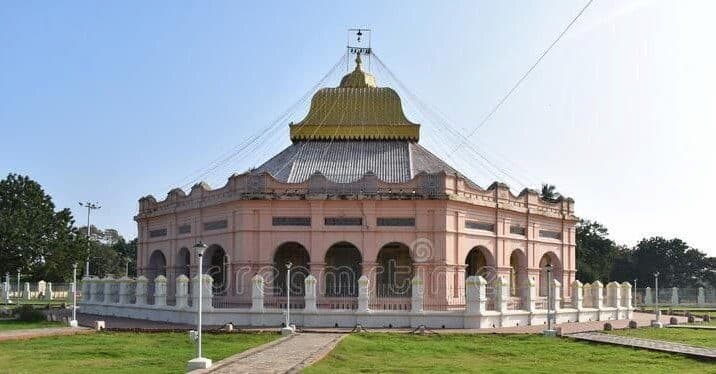
Sathya Gnana Sabai
சத்திய ஞான சபை
The sacred shrine of eternal light — consecrated by Saint Vallalar in 1872, where devotees of all faiths come to seek the grace of the formless Divine.
A Light That Never Fades
Sathya Gnana Sabai — the "Hall of True Knowledge" — stands as one of the most sacred sites in South India. Unlike conventional temples, it houses no idol; instead, at its heart burns a single eternal flame, representing the formless, all-pervading light of the Divine.
Built under the divine inspiration of Saint Ramalinga Swamigal (Vallalar), this sanctuary was consecrated on the auspicious day of Thai Poosam in 1872 CE. Vallalar believed that God's light is accessible to all — regardless of caste, creed, or religion — and this hall embodies that universal truth.
"The flame that burns within Sathya Gnana Sabai is not mere fire — it is the compassionate light of God, illuminating every sincere soul that seeks refuge here."
— Ramalinga Swamigal (Vallalar)
The temple complex is managed by the Vadalur Sathya Gnana Sabai Trust and attracts devotees, scholars, and spiritual seekers from across the world, especially during the Thai Poosam festival when thousands gather in silent reverence.
Key Milestones
Ramalinga Adigal (Vallalar) born in Marudhur, Chidambaram. He begins receiving divine revelations from early childhood.
Vallalar settles in Vadalur and begins composing the Thiruvarutpa — his six-volume collection of divine hymns of grace.
Foundation of the Samarasa Suddha Sanmarga Satya Sangam — a universal spiritual fellowship open to all humanity regardless of caste or creed.
Sathya Gnana Sabai consecrated on Thai Poosam. The eternal flame is lit for the first time. Vallalar opens the hall to all seekers.
Vallalar enters his room at Mettukuppam and is never seen again — an event revered as his merging with the Divine Light.
The temple serves thousands of devotees annually. Thai Poosam draws over 50,000 pilgrims. Monthly Poosam observances continue unbroken.
The Five Sacred Halls
Sathya Gnana Sabai is surrounded by five concentric halls (Sabais), each representing a stage of spiritual progress corresponding to one of the five divine actions of the Supreme Being.
The outermost hall. Represents material creation. Devotees begin their journey here, leaving worldly concerns behind.
The Golden Hall. Represents the radiant brilliance of the Divine — a space of golden light guiding the devotee deeper into the sacred journey.
The sacred inner sanctum. Houses the eternal flame — the formless light of the Divine. The pinnacle of the pilgrim's journey.
The hall of purity. Represents the purification of the soul as it draws nearer to the eternal light of grace.
The hall of true knowledge. The final stage of the spiritual journey — union with the Divine, beyond all form.
The pilgrim's journey moves from the outermost Sitthi Sabai inward through each hall, culminating in the eternal flame of the Sathya Gnana Sabai.
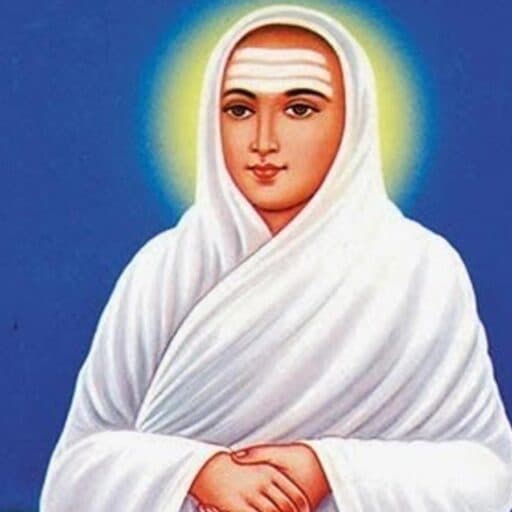
Ramalinga Swamigal
Vallalar · The Great Giver
தனிப்பெரும் கருணை அருட்பெரும் ஜோதி"
Vallalar's Sacred Invocation · Thiruvarutpa
Vallalar & His
Core Teachings
Ramalinga Swamigal, reverently known as Vallalar ("The Great Giver"), was a 19th-century Tamil poet-saint whose teachings transcended all religious boundaries. His works centre on compassion, universal brotherhood, and the attainment of divine grace through love.
Vallalar placed compassion above all rituals. Feeding the hungry and relieving suffering were, to him, the highest form of worship. He established the Sathya Dharma Salai (Free Food Hall) in Vadalur.
He founded a spiritual fellowship open to all, rejecting caste discrimination and religious exclusivity. All human beings are equal in the eyes of the Divine Light.
Vallalar rejected idol worship and established the concept of worshipping the Supreme as a formless, eternal light — Arut Perum Jothi (The Great Light of Grace).
His six-volume collection of divine poems is one of the most treasured works in Tamil spiritual literature, still chanted daily by devotees around the world.
Monthly Poosam — A Sacred Gathering
Every month on the Poosam star day — the day Vallalar merged with the Divine Light — the sacred veils of Sathya Gnana Sabai are lifted to reveal the eternal flame, and thousands gather in devotion.
Inauguration on Poosam
The Sathya Gnana Sabai was dedicated to the public on 25th January 1872 — on the auspicious Poosam star day. Vallalar chose this star deliberately to consecrate his most sacred creation.
Vallalar Merged with Light on Poosam
On the 19th day of the Tamil month of Thai in 1874 — the day of the Poosam star — Vallalar blessed all his disciples, entered his room at Mettukuppam at midnight, and merged with the Divine Light (Arutperum Jothi). This is why Thai Poosam is celebrated as his Divine Light Body attainment day.
Monthly Veil Lifting
Every month on Poosam, six of the seven sacred veils of Sathya Gnana Sabai are lifted to reveal the eternal flame. On Thai Poosam, all seven veils are lifted — the most complete and sacred darshan of the year.
Poosam at Sathya Gnana Sabai
Every month on the Poosam star day — the day Vallalar merged with the Divine Light — the sacred veils of Sathya Gnana Sabai are lifted to reveal the eternal flame, drawing thousands of devotees for special prayers, Thiruvarutpa recitals, and annadanam.
Auto-updating · All are welcome · Entry free
Visitor Information
Darshan Timings
General Information
Contact & Location
Major Festivals
How to Reach Vadalur
Vadalur Railway Station on the Chennai–Villupuram–Mayiladuthurai line. Chennai (~3.5 hrs), Chidambaram (~20 min).
TNSTC buses from Chennai, Pondicherry, Cuddalore and Chidambaram. Frequent daily services throughout the day.
~230 km from Chennai via NH-32. 3.5–4 hrs by road. 20 km from Chidambaram, 60 km from Pondicherry.
Pondicherry Airport (65 km) and Chennai International Airport (230 km). Taxis available from both airports.
Visitor Tips & Guidelines
Maintain silence inside the temple — it is a place of deep meditation and prayer.
Wear clean, modest clothing. Traditional attire (dhoti / saree) is respectfully preferred.
The eternal flame is the object of worship — observe it with reverence and devotion.
Photography and video recording are not permitted inside the inner sanctum.
Plan your visit during early morning for a calm, uncrowded darshan experience.
Book accommodation in advance if visiting during Thai Poosam — town fills up quickly.
Free meals (annadanam) are served on festival days at the temple premises.
The Mettukuppam memorial (where Vallalar disappeared) is 2 km away — include it in your visit.